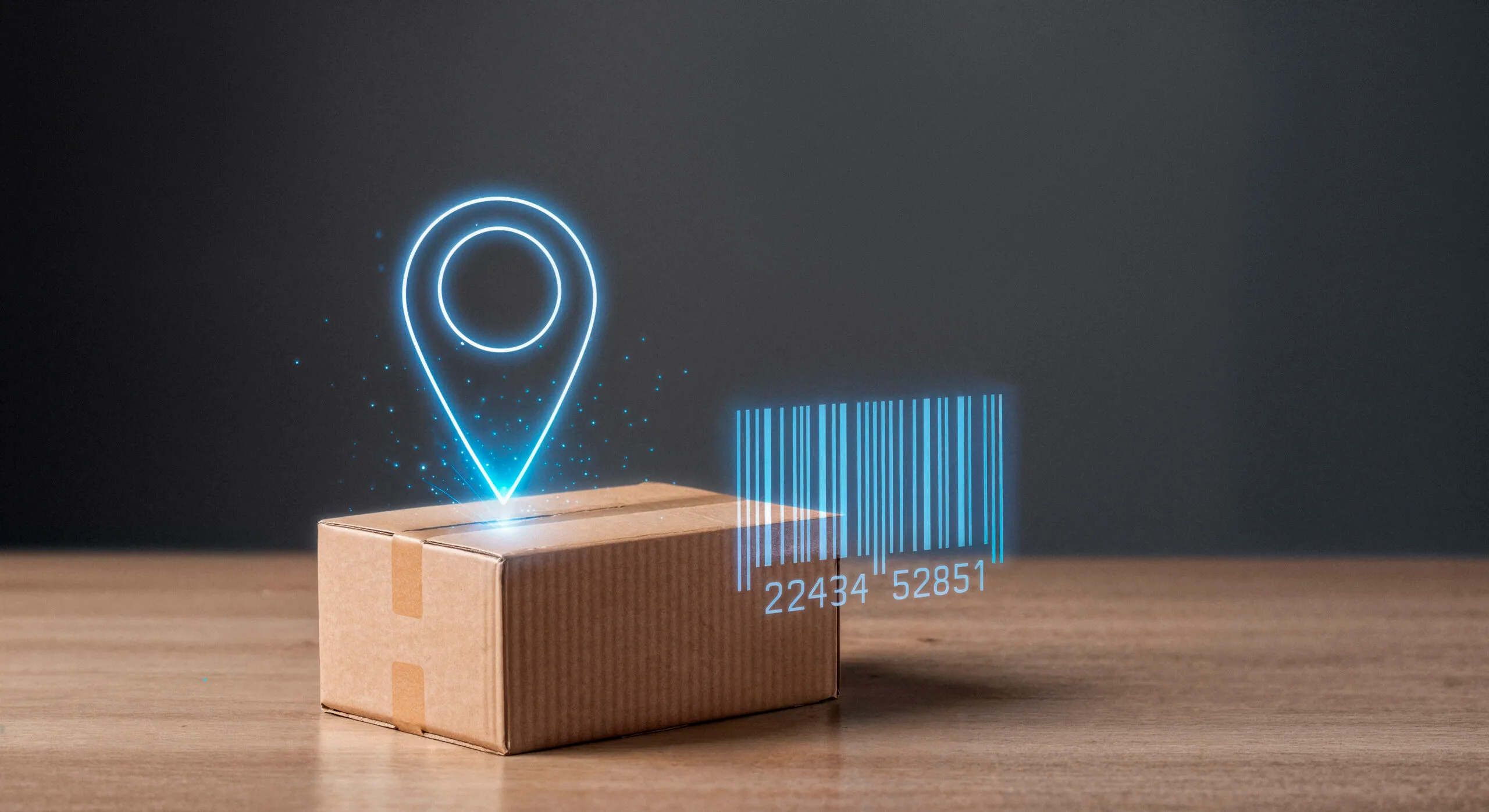
Pharmaceutical companies and their contract manufacturers face growing pressure to improve supply chain transparency, ensure drug authenticity, and comply with global regulations. Rising counterfeit medicines, product diversion, and inefficiencies have increased the need for secure, data-driven track-and-trace systems. While these solutions help protect patient safety and business integrity, poor platform selection or weak implementation can lead to compliance risks and financial losses. Understanding potential pitfalls helps organizations make better-informed decisions.
Traceability standards vary across regions, with each market following its own compliance framework. Regulations such as the United States DSCSA, the European Union FMD, Russia’s Chestny ZNAK, Brazil’s SNCM, and India’s export serialization requirements differ in scope and implementation. In addition, India mandates serialization for the Top 300 pharmaceutical brands sold domestically, a requirement that has recently been expanded to cover a significantly broader range of medicines.
Other companies assume traceability is limited to printing codes and purchasing hardware such as printers, scanners, or vision systems. Serialization relies on coordinated digital functions, including software integration, code generation, aggregation, data collection, reporting, and supply chain interoperability. Implementing physical equipment alone, without a data infrastructure, will lead to bottlenecks and non-compliance. An integrated approach must align IT systems, packaging lines, warehousing, and regulatory reporting platforms to enable scalable traceability, including track and trace capabilities.
Most organizations select vendors based on initial setup costs, without considering ongoing needs such as regulatory updates, training, validation, services and support, multi-site expansion, and cloud or hosting costs. The most affordable option can end up being the most costly to implement if unforeseen changes arise. The financial perspective can be more accurate by accounting for the operational lifespan, upgrade cycles, and downgrade risks.
The development of traceability systems in manufacturing of pharmaceuticals should adhere to stringent regulatory requirements, audit compliance, data flow, and controlled environment standards. Vendors lacking pharmaceutical knowledge tend to have difficulty adopting systems that support compliance requirements, such as FDA 21 CFR Part 11 and audit quality data integrity. Companies that collaborate with track and trace solution specialists can significantly reduce integration risk and implementation time.
Other companies do not aggregate until late deployment. Aggregation links serially scanned unit items to bundles, cases, and pallets, enabling quick, accurate scanning and movement of shipments. Lacking hierarchical relationships between packaging and distribution, it is slow, error-prone, and often disastrous when exporting globally. The current traceability needs aggregation capability at the outset. This is necessary to achieve rapid scanning, operational efficiency, and compliance in logistics settings.
Serialization generates large volumes of production and distribution data. Without effective communication between internal systems, operational risk system failures, delayed reporting, and supply bottlenecks can occur. The most important questions to evaluate can be the following:
Choosing solutions that are not well-architected leads to poor traceability and operational visibility.
Implementation of a traceability system affects the multiple activities of an organization, including engineering, IT, QA, validation, track and trace system for pharma packaging, and supply chain departments. Change management, a lack of structured training, and a lack of documented implementation planning are common causes of deployment delays. A comprehensive solution should include workflow automation, learning materials, and strategic rollout plans. Proper planning will ensure teams are aware of how to use the system, how to manage downtime, and the production processes that need to be changed to be fully compliant with a track and trace system.
Traceability systems provide practical transparency throughout product movement, minimizing the risk of counterfeits and illegal diversion. The increasing use of serialization and secure verification systems in the international marketplaces places greater confidence and safety for patients. Regulators in the track and trace in the pharma industry require unique identification, regulated digital records, and confidential communication among stakeholders, including manufacturers, distributors, hospitals, and pharmacies.
Digital traceability helps enhance supply chain integrity, improve recall accuracy, and increase business performance. It ensures seamless compliance with international shipping regulations, especially for pharmaceuticals that travel through multinational distribution channels.
Enterprise data platforms and modern packaging lines help trace global distribution and packaging processes, particularly when developing a track and trace system for pharma packaging.
The adoption of traceability will transform manufacturing, logistics, and regulatory processes. Companies that avoid these seven pitfalls are better positioned to choose a flexible, scalable, and compliant solution that ensures the integrity of the supply chain. Making manufacturers realize the actual implementation requirements, which are not limited to the hardware prices and initial installation, will allow them to implement systems that enable them to perform in the long term and be confident. Contact Pharmasecure now.
1. What is track and trace for pharmaceuticals?
It is defined as digital systems that track, log, and verify the flow of medical products including medicines through the supply chain to ensure authenticity and safety.
2. Why is track and trace important in pharma?
It deters counterfeit drugs, facilitates effective recalls, and ensures regulatory compliance.
3. What is serialization’s role in traceability?
The products are assigned unique codes through serialization, which is used to track and authenticate them at each point.
4. How long does a track and trace implementation take?
The implementation timeline varies based on the scope and complexity of the requirements. For a more accurate estimate tailored to your operations, we recommend contacting us for a detailed discussion.
5. What should companies consider when selecting a solution?
Companies should evaluate readiness for compliance, scalability, data architecture, integration capabilities, and the industry experience of the vendor.



pharmasecure seo / June 4, 2026

PharmaSecure is a global track-and-trace, product authentication and consumer engagement company that has helped protect billions of packages through its technology-enabled solutions. Our proven serialization capabilities have enabled large pharmaceutical companies to meet different traceability requirements.





©2025, PharmaSecure Inc. All Rights Reserved.
