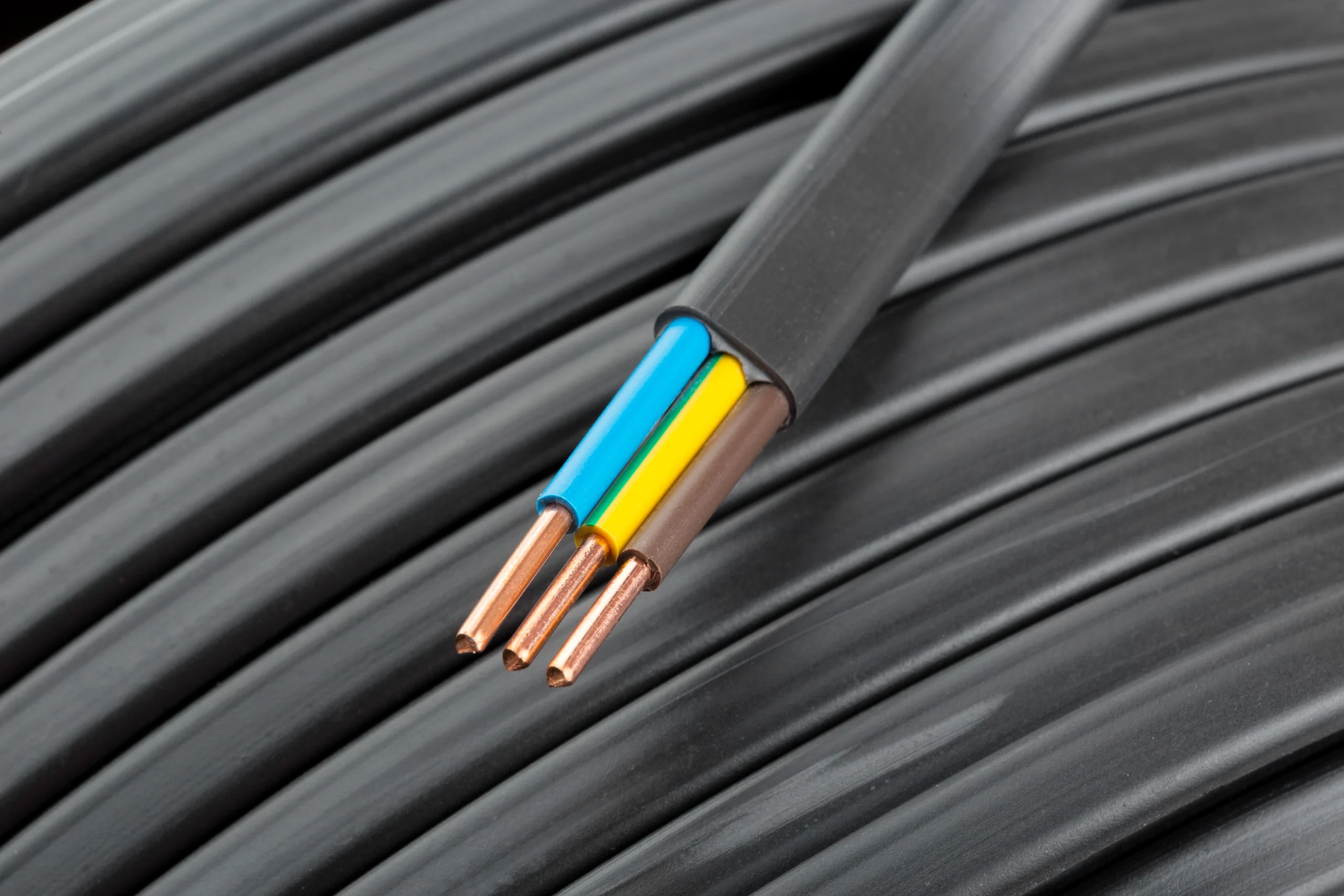
Counterfeit electrical wires and cables are more than a brand-reputation issue. However, with poor quality conductors, inferior quality insulation, or counterfeit compliance labels entering the market, the negative side can be overheating, short circuiting, and fire hazard, in particular when the consumer cannot be sure of the difference between authentic products and imitations.
Another scale issue is counterfeiting. An international study estimated that the world might turn to hundreds of billions of dollars in counterfeit and pirated items trade (using 2016 data), which explains why manufacturers in various fields are making authentication increasingly a minimum functionality, not a value-added service.
In response to rising counterfeiting risks, wire and cable manufacturers are increasingly adopting secure authentication programs to protect their brands and customers. ProductSecure™, a division of Pharmasecure, enables manufacturers to assign each consumer pack a unique, verifiable identity that can be authenticated at the time of purchase using mobile technology.
India’s experience illustrates what happens when counterfeit electrical goods circulate widely: enforcement agencies have publicly documented misuse of the BIS (ISI) mark on electric cables and explicitly warn that substandard materials can create “possible safety hazards.”
The financial stimuli are also very evident. The FICCI CASCADE reference to a 2015 report quotes massive annual revenue loss to the exchequer through counterfeiting and smuggling in various industries, demonstrating why the illicit trade is not a fringe area; it is a systematic area.
As it happens with the wire and cable brands, the actual business risks can be summarized into four buckets:
Poor traceability, as at the point of failure, brands are not able to point to how counterfeits got into the channel.
The partnership announcement describes a simple but powerful shift: move authenticity from “visual inspection” to “verifiable identity.” Each consumer pack receives a unique identifier, and verification becomes something customers and retailers can do themselves using mobile technology at the time of purchase.
This matters because packaging appearance can be copied. Verification workflows—when properly implemented, create a second factor of trust: the buyer isn’t just seeing a mark; they’re receiving a system-backed confirmation.
PharmaSecure’s current “Product Authentication” positioning describes an end-to-end code lifecycle designed to prevent easy duplication and enable reliable verification:
For industrial goods brands, the verification UX can be implemented via a lightweight web flow, or a brand app; what matters is that every sold unit maps to a unique identity that can be checked instantly.
A common misunderstanding is assuming that printing a QR code automatically prevents counterfeiting. In practice, basic/static QR codes can be copied and reprinted onto counterfeit packaging, sometimes redirecting the buyer to the brand’s real site, creating a convincing illusion of authenticity.
This is why effective authentication typically relies on unique per-pack identities and backend verification logic, not just a generic QR that points to a marketing page. Done well, verification can also produce intelligence (e.g., repeated scans in unusual locations) that helps brands prioritize investigation and enforcement. When implemented effectively, authentication systems can generate verification data that helps brands identify unusual patterns and prioritize investigation efforts.
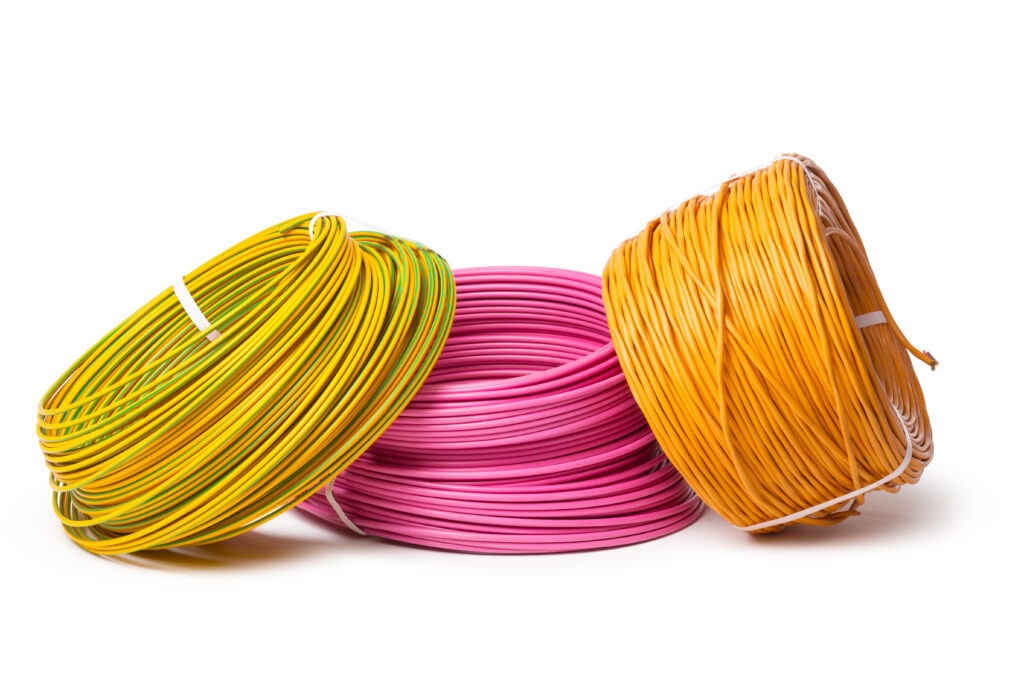
For consumers, the biggest benefit is confidence. Verification reduces guesswork at the shelf and helps buyers make safer choices without needing expert knowledge. The mechanism is simple: scan or enter the code and receive an authenticity response.
For retailers and distributors, verification supports cleaner inventory. When verification is culturally normalized (signage at the counter, “verify before you buy” prompts), counterfeit inventory has a harder time moving through legitimate channels because a verification request becomes a standard part of the transaction.
For brands, authentication is both defense and intelligence. Beyond preventing direct revenue loss, authentication turns each verification into a data point that can help identify suspicious patterns and potential counterfeit hotspots, accelerating response compared with waiting for scattered complaints.
For regulators and industry bodies, consumer-verification ecosystems complement enforcement. They reduce the time between “counterfeit enters market” and “counterfeit is detected,” and they create clearer evidence trails for action.
If you want a broader supply chain view beyond point-of-sale verification, Track & Trace programs extend visibility by capturing events across the distribution chain and enabling diversion detection and reporting.
1. Why are counterfeit wires and cables dangerous?
Counterfeit electrical products may use substandard materials and may not meet required safety expectations, increasing risk of failures such as overheating and short circuits.
2. How does mobile verification work at the store counter?
A buyer (or the retailer) scans or enters the unique code on the package using the brand’s verification method, and the system returns an authenticity response.
3. Is a barcode enough, or should brands use QR codes?
Either can carry an identifier. The more important requirement is that each pack maps to a unique identity that is verified against a secure system, not a generic code that can be copied.
4. What is ProductSecure in this context?
ProductSecure™, a division of PharmaSecure focused on brand protection and engagement solutions across industries, partnered with Polycab to enable pack-level product authentication.
5. Does authentication only apply to pharmaceuticals?
No. PharmaSecure’s on-site industry solutions explicitly position ProductSecure capabilities across multiple non-pharma sectors, including industrial goods such as electricals.
6. What is the difference between product authentication and track-and-trace?
Authentication verifies whether an item is genuine at the point of interaction. Track-and-trace focuses on supply chain event visibility and reporting across movement stages.
7. Can counterfeiters copy QR codes?
Yes, basic/static QR codes can be reproduced and placed on fake packaging, potentially directing users to legitimate web pages and creating the illusion of authenticity. However, when manufacturers use ProductSecure™, a division of Pharmasecure, copying the code does not help counterfeiters because each unit is assigned a unique, system-validated identity.
8. How can authentication help brands respond faster?
When verification data shows unusual patterns (e.g., repeated checks in unexpected locations), brands can prioritize investigations and interventions more efficiently.
9. What should a customer do if a product fails verification?
Avoid using the product, inform the seller, and follow the brand’s guidance for reporting and replacement workflows.



pharmasecure seo / July 31, 2026

pharmasecure seo / July 31, 2026

pharmasecure seo / July 27, 2026

PharmaSecure is a global track-and-trace, product authentication and consumer engagement company that has helped protect billions of packages through its technology-enabled solutions. Our proven serialization capabilities have enabled large pharmaceutical companies to meet different traceability requirements.





©2025, PharmaSecure Inc. All Rights Reserved.
