A pharmacist in Madhya Pradesh caught a counterfeiting ring last year. Not with sophisticated technology. Not through a government tip-off. He scanned a strip of blood pressure medication and realised the batch number had already been dispensed to a hospital 400 kilometres away. Same code, two locations. That one check led investigators to a network moving fake drugs across three Indian states.
Most companies aren’t that lucky. Counterfeiting usually goes undetected for months because counterfeit products look convincing enough to pass visual inspection. The packaging, the holograms, even the pill colour. All right. Product authentication exists to take luck out of the equation. It gives every genuine unit a digital identity that fakes can’t carry, and lets anyone in the supply chain verify it in seconds. If you’re still relying on visual checks to protect your brand, you’re already behind.
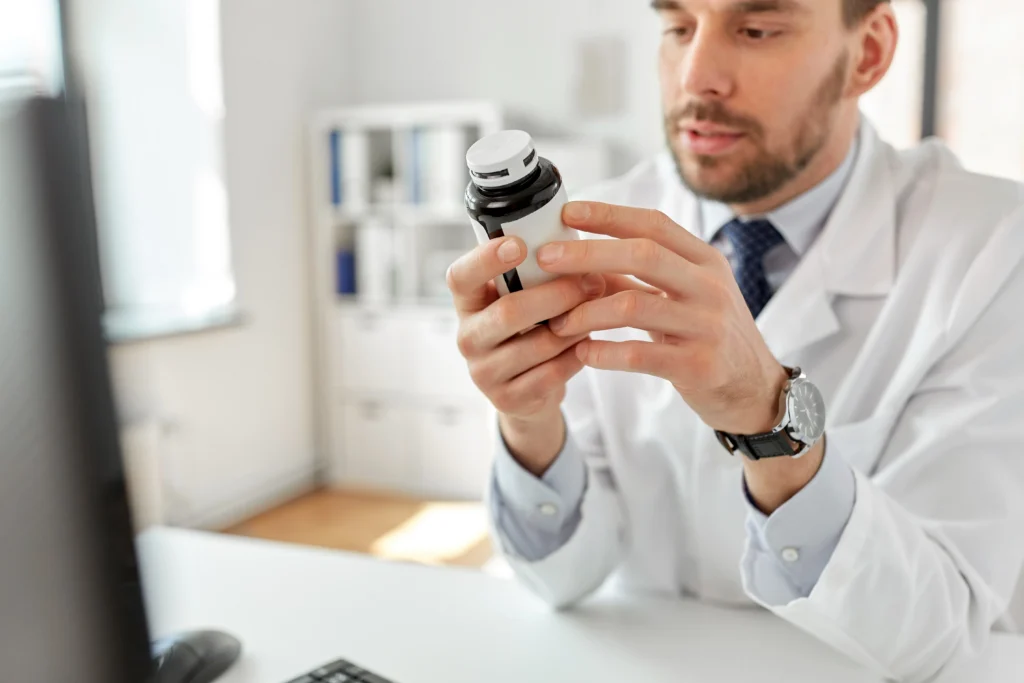
The OECD and EUIPO published their 2025 report on global counterfeiting this year. The number they put on global trade in counterfeit goods: $467 billion. That’s 2.3% of everything traded worldwide. And that only counts what gets intercepted at borders. The drugs that reach patients, the auto parts that end up in cars, the cosmetics that end up on skin? Those don’t show up in the data.
Product counterfeiting isn’t a luxury goods problem anymore. Pharma is getting hit hardest. 2,857 medicines were counterfeited or diverted in 2025 alone, up 18% from the year before. Some contained wrong doses. Some contained nothing at all. Meanwhile, one in four consumers has unknowingly bought a counterfeit product at some point. Most of them blamed the real brand, not the counterfeiter.
Authentication puts a digital fingerprint on every genuine product at the factory. An encrypted code, unique to that unit, gets printed on the packaging and recorded in a cloud system. When that code is scanned at any point downstream, the system confirms whether the product is real. Counterfeit products fail because they don’t carry valid codes. It’s that simple in principle, though the technology behind it is anything but.
The old advice on how to identify fake products was always about spotting physical clues. Misspelled labels. Lighter packaging. Slightly off colours. That worked when counterfeiters were cutting corners. It doesn’t work now. The fakes have gotten too good. Modern authentication flips the whole approach: instead of hunting for signs that something is fake, you confirm it’s genuine.
Tamper-evident seals and security labels still play a role at the point of purchase. They’re not enough on their own, but a broken seal gives the buyer a reason to scan the code before trusting what’s inside.
Holograms had a good run. But counterfeiters learned to copy them years ago. The authentication market crossed $3.3 billion in 2025, and the money is shifting fast toward digital solutions.
Encrypted serialization is the strongest option right now. Each product gets a code generated through a patented algorithm. The code is random, not sequential, and isn’t stored in a central database that someone could breach. Even if a counterfeiter photographs a genuine code and prints it on a fake, the duplicate triggers a flag the second both are scanned. That kind of protection wasn’t possible with holograms or colour-shifting ink.
Cloud-connected verification adds a live layer. A code scanned in Mumbai today and in Karachi tomorrow raises an alarm that a sticker never would. AI-powered monitoring sits on top of all of this, analysing scan patterns across millions of units, spotting clusters of counterfeits in specific distribution routes, and catching anomalies that human analysts would take months to find.
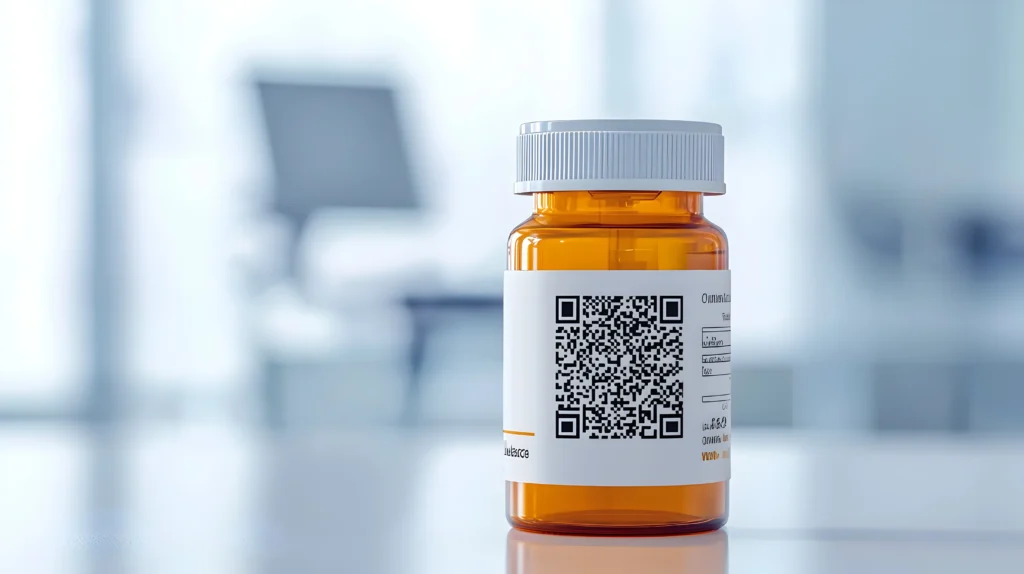
QR codes solved authentication’s biggest barrier: getting consumers to actually participate. Holograms required training. Serial number checks meant calling a hotline. QR codes need a phone camera and two seconds. The QR code recognition market hit $1.9 billion in 2025 because the technology made it practical for regular people to catch counterfeits on their own.
Product counterfeit costs the global economy $467 billion a year, and it’s accelerating. The counterfeits are getting better. The supply chains are getting more complex. Old defences like holograms and visual inspection can’t keep up. But product authentication can, because it gives every genuine unit a verifiable identity that fakes simply cannot carry. 65% of companies have already adopted anti-counterfeit technologies. For the other 35%, the question isn’t if they’ll need to. It’s how much damage happens before they do.
PharmaSecure has been doing this since 2007. 700+ production line installations, 9 billion products secured, operations across 50+ countries. Here’s what that looks like in practice:
Visit pharmasecure.com to see how PharmaSecure helps brands stop product counterfeiting at every stage.
1.What is product authentication?
A way to verify that a product is genuine. An encrypted code on the product is checked against manufacturer records when scanned. Match means real. No match means fake.
2. How does authentication prevent product counterfeiting?
Counterfeiters copy packaging well. What they can’t copy is a valid encrypted code that’s registered in the manufacturer’s system. Scan a fake, and the code either doesn’t exist or has already been verified elsewhere. The fake gets caught.
3. How to identify fake products when shopping?
Scan the QR code on the packaging with your phone. If the brand uses authentication, you’ll get an immediate answer. That’s the most reliable method for consumer-level verification right now. Nothing else comes close.
4. Which industries face the worst counterfeiting?
Pharma, auto parts, electronics, fashion, and cosmetics. Pharma is the most dangerous because counterfeit products in that space can genuinely kill people.
5. Are QR codes enough to stop counterfeits?
For consumer verification, QR codes are the best tool available. But they work best combined with serialization at the factory and track-and-trace through the supply chain. The QR scan is the last checkpoint, not the only one.
6. How does PharmaSecure fight product counterfeiting?
Encrypted serialization at the production line. QR authentication for consumers. End-to-end track-and-trace. AI-powered analytics through psAnalytiQ. All on one platform.


pharmasecure seo / July 31, 2026

pharmasecure seo / July 27, 2026
pharmasecure seo / July 13, 2026

PharmaSecure is a global track-and-trace, product authentication and consumer engagement company that has helped protect billions of packages through its technology-enabled solutions. Our proven serialization capabilities have enabled large pharmaceutical companies to meet different traceability requirements.





©2025, PharmaSecure Inc. All Rights Reserved.
