Counterfeit drugs don’t announce themselves. The packaging looks right. The holograms look right. Even the pill colour matches. By the time anyone figures out a fake has entered the supply chain, it’s usually been sitting on pharmacy shelves for weeks, sometimes months. The companies whose names are on those boxes? They’re the last to know.
Brand protection has become a survival issue for businesses across pharma, FMCG, and consumer electronics. Counterfeiting globally is already a $118 billion problem, and most of the brands being copied don’t find out until the damage is done. If you sell anything that people trust enough to buy repeatedly, somebody out there is already trying to copy it. The question is how you protect your brand before, not after, that happens.
Five years ago, brand protection meant a legal team sending cease-and-desist letters and a hologram on the box. That’s not enough anymore. Counterfeiters now operate across e-commerce platforms, social media, and cross-border supply chains simultaneously. Authentication and brand protection spending crossed $3.3 billion in 2025, and the pharma segment is growing faster than any other at 15.4% per year. The reason? Fake drugs don’t just cost revenue. They kill people.
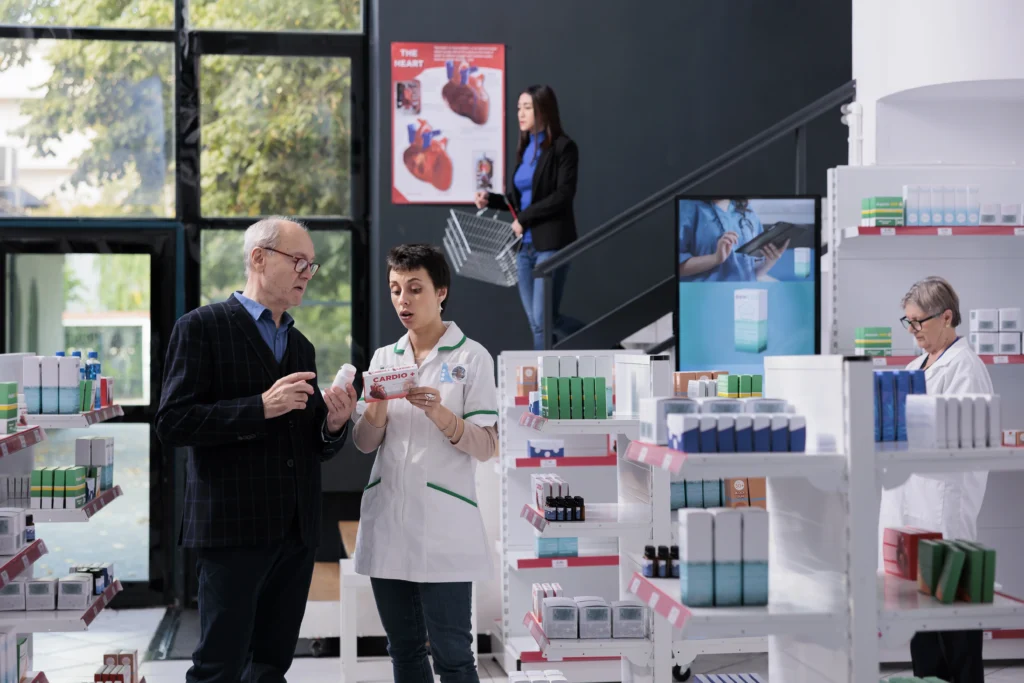
Brand protection services are the operational side of this fight. They combine monitoring, detection, and enforcement into a continuous process. Some companies run them in-house. Most bring in specialists. The scope keeps expanding because 70% of brands now report that online counterfeiting is a real threat to their business.
The threats come from two directions, and you need brand protection solutions that cover both. Physical counterfeiting targets your product. Digital counterfeiting targets your name. A factory in Shenzhen produces fake packaging. A seller in Lagos lists it on three marketplaces by Thursday. Neither problem fixes the other.
Setting up a fake listing on a marketplace takes about ten minutes. Taking it down can take ten days. That imbalance is why online brand protection has exploded as a category. The online brand protection software market is worth $1.13 billion in 2026 and growing at 19% a year, because businesses are realising they can’t monitor this manually anymore.
You can’t fix this with one tool. The businesses that do this effectively are running physical authentication on the product itself and digital enforcement across the internet at the same time. Counterfeiters are opportunists. They go wherever your guard is down.
Brand protection isn’t a project you finish. It’s an operation you run. Across your supply chain, your packaging, your online presence. The businesses that treat it as a cost to minimise will always be reacting. The ones that treat it as infrastructure will protect your brand, their revenue, and their customers in a market where counterfeiting is heading toward $273 billion by 2035. The fakes aren’t slowing down. Your defences shouldn’t either.
PharmaSecure delivers brand protection services from the factory floor to the consumer’s hands. 700+ production line installations, 9 billion products secured, 50+ countries.
Visit pharmasecure.com to see how PharmaSecure’s brand protection solutions work in practice.
What does brand protection involve?
Anti-counterfeiting technology on your products, legal enforcement against infringers, and digital monitoring across e-commerce and social media. The exact mix depends on where your brand faces the biggest risk.
How do brand protection services stop counterfeiting?
Automated tools scan marketplaces for fake listings and file takedown requests when they find them. On the physical side, serialization and QR codes on the product itself let anyone in the supply chain check whether something is genuine. Customs authorities get involved when shipments of known fakes are flagged. The whole point is to catch counterfeits while they’re still in transit or on a shelf, not after a customer has already paid for one.
Which brand protection solutions work best for pharma?
Serialization and track-and-trace are the foundation. QR-based authentication adds a consumer-facing layer on top. Together, they create a verified chain from the factory to the patient. Pharma is different from other industries because a counterfeit drug isn’t just a bad purchase. Someone could end up in a hospital.
Why is online brand protection difficult?
Zero barriers to entry. Someone can list a counterfeit product on five platforms in an afternoon. Remove one listing and it pops up again somewhere else. Automated monitoring is the only realistic way to keep pace.
How do I protect your brand on a limited budget?
Start with product authentication. A QR code on your packaging that customers scan costs very little to implement and works immediately. Add marketplace monitoring when budget allows. Something is always better than nothing.
How does PharmaSecure help with brand protection?
Serialization, QR authentication, track-and-trace, and AI analytics on one platform. Consumers verify products by scanning. The supply chain is tracked end-to-end. Counterfeiting patterns get flagged automatically.


pharmasecure seo / July 31, 2026
pharmasecure seo / July 27, 2026
pharmasecure seo / July 13, 2026

PharmaSecure is a global track-and-trace, product authentication and consumer engagement company that has helped protect billions of packages through its technology-enabled solutions. Our proven serialization capabilities have enabled large pharmaceutical companies to meet different traceability requirements.





©2025, PharmaSecure Inc. All Rights Reserved.
