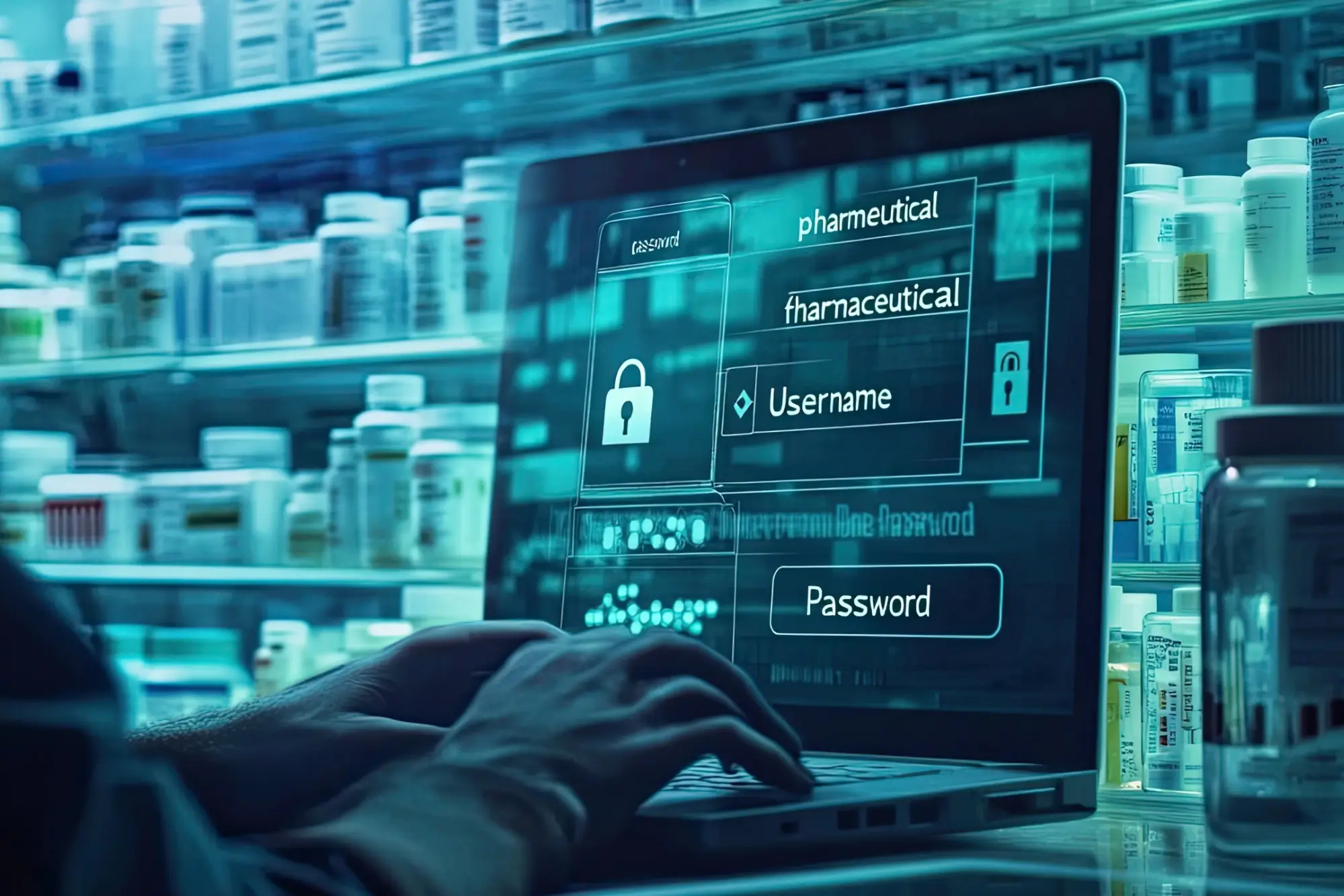
Is Your Brand at Risk? Why Experts Say Product Authentication Is No Longer Optional?
The production of counterfeit items has spread to the formal markets and recognized sellers as well. Currently, counterfeit items are capable of infiltrating even the most acknowledged supply lines, which will result in loss of safety for consumers, damage to the brand’s trustworthiness and eventually collapse of some businesses. The sectors of drugs, health care, beauty products, consumer goods and electronic goods are especially prone to such a hazard since they are characterized by great demand and complicated logistic systems.
There is a consensus among professionals that product authentication is the basic necessity of the hour for any brand, which considers trust, safety, and growth in the long run, to be the most important values. It helps brands assert the authenticity of their products, empower customers, and stay one step ahead of counterfeiters in their fight against them.
Why Product Authentication Is Important
Counterfeiting primarily affects revenue but also inflicts long-lasting damage that may be difficult to reverse.
Consumer health and safety are at risk: Counterfeit products may contain dangerous, non-functional, or unregulated chemicals that can render the treatment ineffective and cause adverse side effects or serious health issues.
Brand trust erodes quickly after counterfeit exposure: Typically, when consumers unknowingly buy counterfeit products, they associate the negative experience with the first brand, even if the producer was not directly responsible.
Financial losses extend beyond lost sales: Counterfeiting has a significant impact on brands, as they incur additional expenses for recalls, legal actions, reputation management, and customer care.
Companies that make authentication products understand that preventing an issue is more effective than responding to it.
How Product Authentication Works
Authentication is a step-by-step process to uniquely identify every product, making for verification.
Each product unit is assigned a secure, unique identity: A unique alphanumeric code is generated per piece ensuring that the same identity does not apply to any two products.
Codes are applied directly at the manufacturing stage: A secure QR code is generated and printed instantly as each package is dispensed on the production line, ensuring serialization happens in real time. This eliminates any chance of code reuse or interception at any point in the supply chain.
Verification is enabled only for legitimate products: Codes are activated only after authorization, allowing verification exclusively for approved products. Depending on the process, codes can be pre-activated on labels or activated immediately prior to printing on the package.
Authentication of products is fundamental in maintaining integrity from production to consumption.
Common Product Authentication Methods
Several sorts of processes are used following variables such as industry requirement, risk factor, and magnitude of an organization.
Serialization-based identification systems: Each product receives a unique serial or QR code that distinguishes it at the unit level. This identity becomes the foundation for product-level tracking and verification throughout the supply chain.
Digital consumer verification mechanisms: Consumers can quickly verify products using mobile phones, QR code scanners, or web interfaces, making the process simple, accessible, and fast.
Integrated serialization + consumer verification: Modern product authentication solutions combine both approaches. A secure QR code is serialized during production, and when a consumer scans it, the system instantly authenticates the product details. This ensures both supply chain integrity and direct consumer confirmation.
Tamper-evident packaging elements: Visual indicators is one way an individual can determine if packaging is possibly opened or tampered with.
The various methods discussed above are the fundamental pillars on which modern product authentication technology rests. They integrate security with the comfort of the users.
Digital Product Authentication System
A digital system complements traditional methods by incorporating intelligence and data visibility.
Real-time validation of product authenticity: Product Verification happens instantly, allowing consumers to confirm legitimacy at the point of use.
Collection of verification data across locations: With every interaction, you also get a bit of data on where the products are being verified and learn about any suspicious patterns.
Early detection of counterfeit activity: Unusual verification patterns suggest potential circulation of fake notes, which paves way for a quicker response.
Such systems transform authentication into an active monitoring tool.
Use Cases by Industry
Pharmaceuticals and Healthcare: Digital verification provides the hospital to give the patient the actual drugs, thus improving the prevention and safety of the patients and at the same time helping the manufacturers to keep an eye on the risks of distribution. In markets like India, this is further reinforced by the Top 300 mandate, which requires the highest-selling medicines to include QR codes for authentication, ensuring hospitals and patients can verify the legitimacy of medicines at the point of use.
Consumer Goods and FMCG: Scalable Brand Authentication is advantageous to high-turnover products as it allows verification of products to be made an effortless exercise for millions of shoppers.
Cosmetics and Personal Care: Users are reassured by authentication that products applied to the skin are in compliance with safety and quality standards.
Medical Devices: Adding an identification layer confirms device trust, consequently reducing clinical and legal risks.
Across sectors, authentication strengthens Brand Protection strategies.
Benefits of Product Authentication
Consumers gain confidence in purchase decisions: Transparency is established through the use of easy verification, which in turn builds trust in the brand.
Brands receive actionable intelligence: The verifications data helps to recognize counterfeit hotspots and distribution gaps.
Revenue loss from fake products is reduced: Preventing counterfeits from circulating as well as by and large maintaining sales channels are vital to preserving the quality of the business.
Compliance readiness improves: Product Authentication that ensures traceability and regulatory expectations.
Scalable adoption through accessible technology: Using measures like qr code product authentication is merely an example among many that can be widely applied.
Expert Perspective
Healthcare technology leaders such as PharmaSecure emphasize that effective product authentication solutions succeed when they balance security, simplicity, and data intelligence.
“Authentication is most effective when it protects consumers while strengthening trust in the brand.”
Final Thoughts
With an increase in counterfeit risks, brands have to make a complete turn from taking reactive measures to installing and using proactive systems. Authentication has changed its status from being optional to being a must for the protection of consumers, moneymaking, and brand name in a global market that is tightly connected. Contact us now.
Frequently Asked Questions (FAQs)
1. Why are counterfeit products increasing globally?
The combination of intricate supply chains and cutting-edge printing technology has resulted in an easier way for counterfeit goods to be created that look like the real ones.
2. Can consumers verify products without technical knowledge?
Definitely. New systems are intended to make things simple and everyday users friendly.
3. Does authentication only benefit large companies?
No, it is only the aspect of trusting and reducing risk which is beneficial for businesses no matter what size they have.
4. Is authentication useful outside healthcare?
Absolutely. This applies broadly to consumer durables, cosmetics, and electronic goods.
5. How does authentication help long-term brand trust?
Transparency and product safety are two significant elements that strengthen consumer confidence over time.
PharmaSecure is a global track-and-trace, product
authentication and consumer engagement
company that has helped protect billions of
packages through its technology-enabled solutions.
Our proven serialization capabilities have enabled
large pharmaceutical companies to meet different
traceability requirements.