A patient walks out of a cardiology clinic with a new prescription and a follow-up booked for three months later. Within two weeks, they’ve stopped taking the medication because of side effects they didn’t know how to manage. The follow-up? They forgot about it. Nobody called. Nobody checked.
This is healthcare’s oldest problem. A patient management system is how it’s finally getting fixed. It keeps the connection alive between clinic visits by tracking medications, sending reminders, and flagging patients who are falling behind. Pharma and hospital spending in this category has already passed $3.6 billion. Patient engagement in healthcare has stopped being a conference talking point. Hospitals are putting real budget behind it now.
It’s the software layer between a patient’s clinical visits and everything that happens at home. Appointments, records, reminders, treatment tracking, and secure messaging with providers. All of it runs through one system instead of being scattered across five different tools that don’t talk to each other.
The easiest way to understand it? Look at what it replaces.
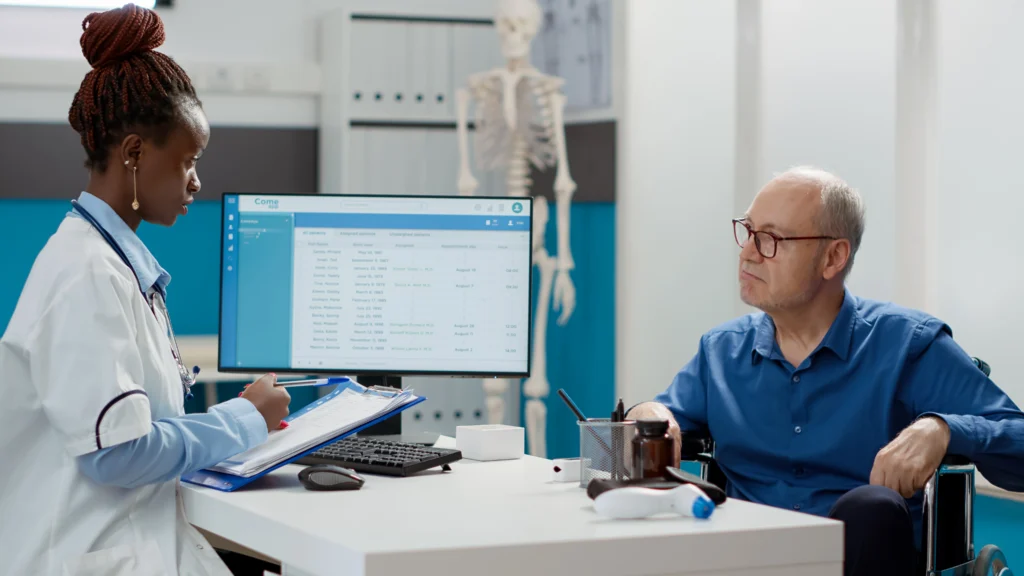
There’s a common assumption that giving patients more information automatically makes them healthier. It doesn’t. What works is giving patients the right nudge at the right moment. That’s the real difference between patient education and patient engagement in healthcare. Hospitals and pharma companies have caught on. The engagement solutions market crossed $18 billion last year because the clinical evidence became impossible to argue with.
Patient engagement services are the programmes that keep patients connected to treatment between visits. Pharma companies lean on them for specialty drugs. Hospitals use them to stop readmissions. Health plans use them for preventive care. The common thread? Somebody is watching whether the patient stays on track.
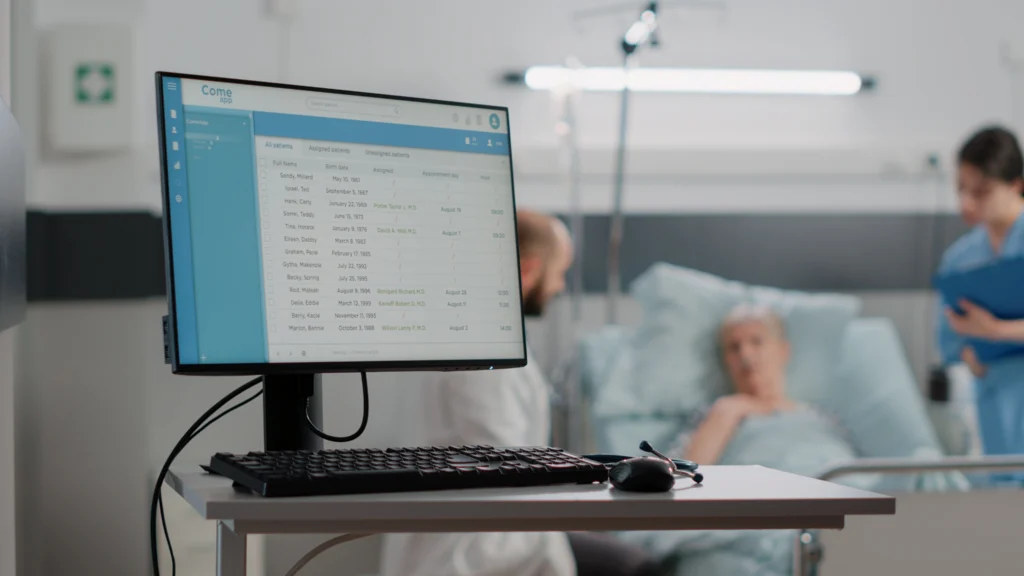
Most patients don’t quit treatment because they want to. They quit because something got in the way. Confusing insurance. Unclear injection instructions. An unexpected co-pay. Patient support services exist to solve these everyday problems that clinical teams rarely see.
Older systems store information. A digital patient engagement platform does something with it. That distinction matters because a record sitting in a database never changed anyone’s behaviour. A text message at 9 AM reminding someone to take their statin actually does. Spending on engagement platforms specifically (not the broader solutions market) has passed $4.4 billion and is accelerating, because the industry has finally accepted that having data and acting on data are two very different things.

The pharma companies seeing the best adherence numbers aren’t just selling drugs. They’re wrapping engagement programmes around those drugs. A medication that patients take as prescribed generates better outcomes and more revenue than one that collects dust in a medicine cabinet.
The gap between what happens in a clinic and what happens at a patient’s kitchen table has always been healthcare’s weakest link. A patient management system closes that gap. It catches the patient who stopped their medication. It reminds one who forgot their follow-up.
For pharma companies, patient engagement services have become a competitive requirement, not a CSR initiative. The market is heading toward $96 billion by 2035. Companies building their digital patient engagement platform now won’t just be compliant. They’ll be the ones setting the pace.
PharmaSecure turns drug packaging into a patient engagement channel. A patient scans the QR code on their medicine, verifies it’s genuine, and enters a digital ecosystem that supports their treatment journey. 700+ production line installations, 9 billion products secured, 50+ countries.
Visit pharmasecure.com to find out how PharmaSecure turns packaging into a patient engagement platform.
1. What does a patient management system do?
Scheduling, medical records, treatment tracking, reminders, and patient messaging through one platform. It keeps patients connected to care between visits instead of leaving them in the dark until their next appointment.
2. How are patient engagement services different from traditional outreach?
Old-school outreach sends a letter or makes a call. Modern engagement services are two-way and real-time. Missed a refill? Automatic follow-up. Skipped an appointment? Rescheduling prompt within hours.
3. What counts as patient support services in pharma?
Anything that removes a barrier between patients and their prescribed treatment. Insurance navigation, co-pay assistance, dosing education, and refill management. If it keeps a patient on therapy, it qualifies.
4. Why is patient engagement in healthcare growing so fast?
The outcomes data settled the debate. Engaged patients have fewer readmissions, better adherence, and lower costs. Hospitals and pharma companies are investing because the returns are well-documented.
5. What should a digital patient engagement platform include?
Real-time alerts tied to patient behaviour. Multi-channel communication. Analytics that flag risk early. And integration with EHR and pharmacy systems. If it only stores data without acting on it, it’s just another database.
6. How does PharmaSecure support patient engagement?
QR codes on drug packaging. Each scan verifies the product and connects the patient to educational content, adherence programmes, and loyalty rewards. Every product interaction becomes a touchpoint.



pharmasecure seo / July 31, 2026

pharmasecure seo / July 31, 2026

pharmasecure seo / July 13, 2026

PharmaSecure is a global track-and-trace, product authentication and consumer engagement company that has helped protect billions of packages through its technology-enabled solutions. Our proven serialization capabilities have enabled large pharmaceutical companies to meet different traceability requirements.





©2025, PharmaSecure Inc. All Rights Reserved.
