If you manufacture, export, or distribute medicines anywhere in the world, you already know the ground is shifting under your feet. Pharmaceutical compliance has gone from a regulatory checkbox to a full-blown operational challenge. Governments want every drug pack tracked. Consumers want proof that their medicines are real. And the penalties for falling short are getting steeper every year.
This blog breaks down the biggest compliance trends affecting the pharma industry right now. We will look at what is changing, why it matters, and how companies can keep up with regulatory guidelines for pharmaceuticals that grow more complex with each passing quarter.
Every major pharmaceutical market now requires some form of serialization. Each saleable drug unit must carry a unique, scannable code that follows it from the factory floor to the pharmacy shelf. This is what pharma compliance looks like in practice today. Here are the mandates driving it:
The pattern across all these regulatory guidelines for pharmaceuticals is hard to miss: every drug package must be traceable from the factory floor to the patient’s hand.

Compliance teams are drowning in data. Companies exporting to five or six countries deal with different reporting formats, different portals, and different deadlines. AI is helping them make sense of it all. Here is what that looks like on the ground:
Serialization gets the headlines, but regulators are pushing into other areas too. If you are only focused on barcodes, you are behind. Here is where pharmaceutical compliance requirements are expanding:
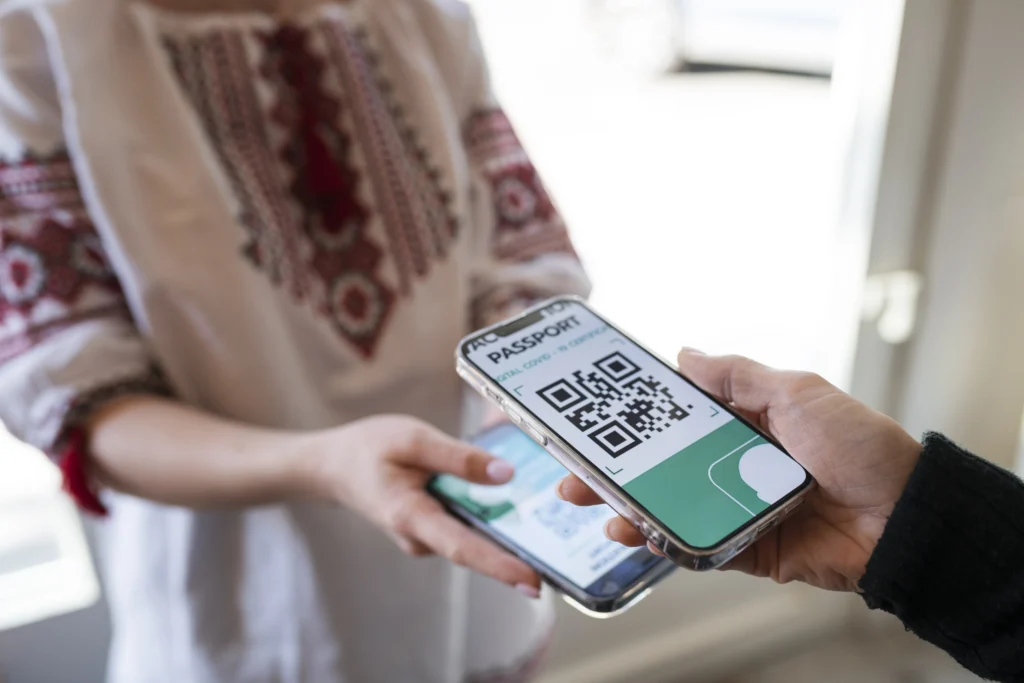
India rolled out one of the most consumer-facing compliance mandates anywhere in the world. Since August 2023, the Top 300 pharmaceutical brands must print QR codes on primary packaging. That is a big deal for pharmaceutical compliance. For the first time, the person actually swallowing the pill can check whether it is genuine before they take it.
Paper trails and spreadsheets cannot keep up with regulatory compliance in the pharmaceutical industry anymore. If you export to multiple countries, you need systems that talk to each other and to government portals in real time. Here is the baseline:
The consequences of poor pharma compliance are real, and they are getting worse. Regulators in the EU, the US, and the Middle East have all stepped up enforcement in the past two years. Here is what is at stake:
Pharmaceutical compliance is not a project with a finish line. It is a running cost of doing business in this industry. The companies that invest in compliant supply chains and stay ahead of deadlines will outperform those scrambling to catch up when the next mandate drops. Waiting is always more expensive than preparing.
PharmaSecure has been helping pharma companies meet pharma compliance demands since 2007. With 700+ production line installations, 9 billion products secured, and operations in 50+ countries, here is what sets PharmaSecure apart:
Visit pharmasecure.com to see how PharmaSecure can help you tick off every regulatory guidelines for pharmaceuticals requirement on your list.
1. What does pharmaceutical compliance mean?
It is the set of rules that govern how medicines get made, labelled, moved, and sold. Serialization, traceability, anti-counterfeiting measures, and adverse event reporting all of it falls under this umbrella.
2. Which global regulations are driving compliance in the pharma sector?
The big ones are the US DSCSA, the EU FMD, India’s iVEDA and Top 300 QR mandate, Russia’s MDLP, and Saudi Arabia’s SFDA. Each comes with its own serialization, traceability, and reporting rules. Miss any of them, and you have a problem.
3. How does serialization support regulatory compliance in the pharmaceutical industry?
Think of it this way. Every drug pack gets a unique digital identity, like a fingerprint. That identity follows the pack through the entire supply chain, so if something goes wrong, you can trace it back, pull it off the shelves fast, and show regulators exactly where the problem started.
4. What role does AI play in compliance?
AI chews through massive volumes of serialization data that no human team could process manually. It spots suspicious patterns, flags compliance gaps before they become violations, and pulls reporting from multiple country mandates into one screen.
5. How can PharmaSecure help with pharma compliance?
PharmaSecure offers serialization software, production-line hardware, track-and-trace systems, authentication solutions, and AI analytics. It covers mandates across the US, EU, India, Russia, Saudi Arabia, and other markets, and it plugs into your existing operations without turning your factory upside down.



pharmasecure seo / July 31, 2026

pharmasecure seo / July 31, 2026

pharmasecure seo / July 27, 2026

PharmaSecure is a global track-and-trace, product authentication and consumer engagement company that has helped protect billions of packages through its technology-enabled solutions. Our proven serialization capabilities have enabled large pharmaceutical companies to meet different traceability requirements.





©2025, PharmaSecure Inc. All Rights Reserved.
